
Day 1
Nikko shrine-and-forest day trip from Tokyo
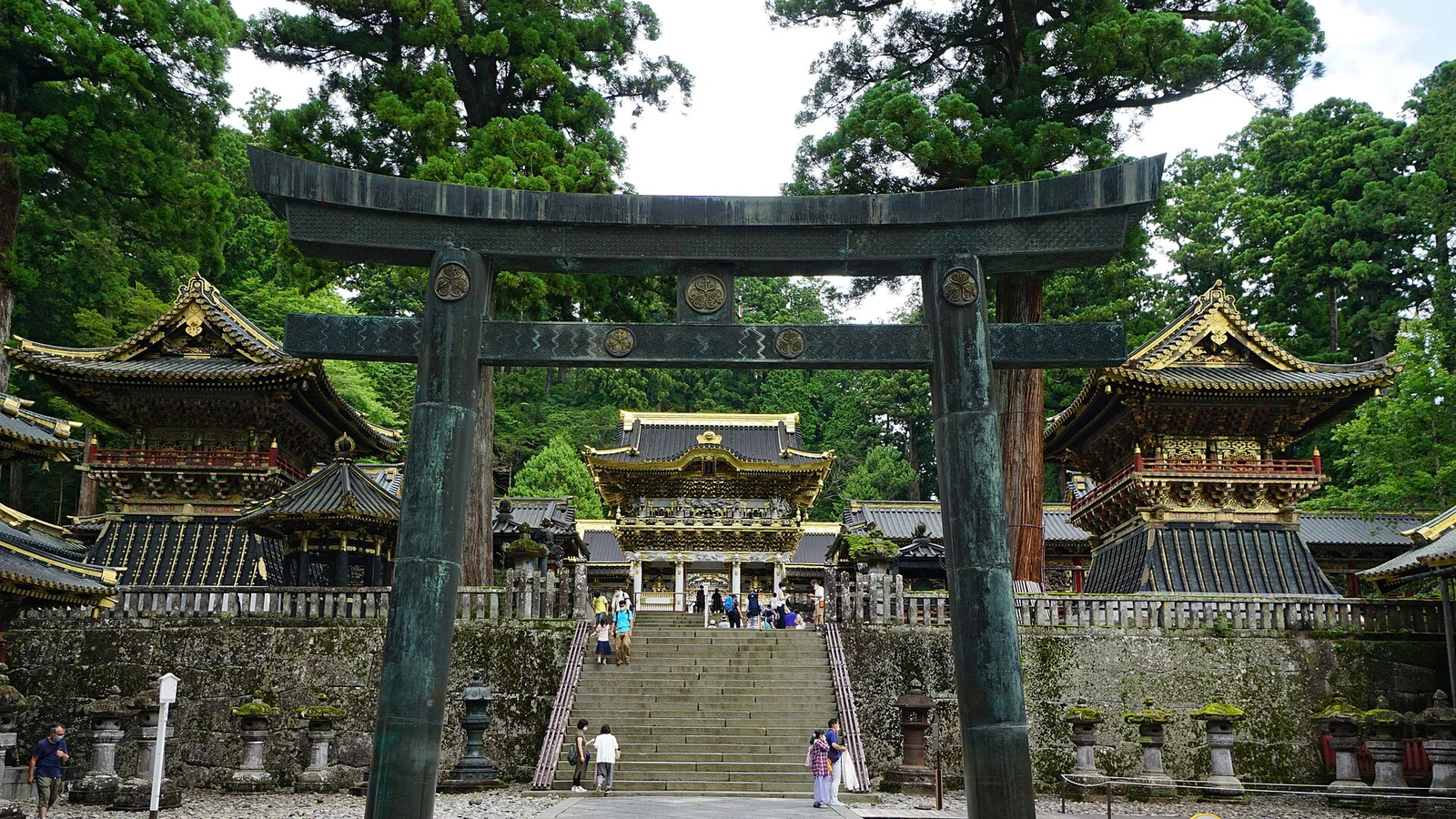
OpenTrip itinerary
Embark on a 1-day family-friendly itinerary exploring the cultural heritage and natural beauty of Nikko, including Nikkō Tōshō-gū and Rinnō-ji Temple.
Save a private, editable copy to your OpenTrip account. No credits used.
See a sample with routes, travel distances and editable planning tools.
Destination
Tokyo + Nikko
Duration
1 day
Audience
First-time Tokyo visitors who want one complete, geographically coherent Nikko excursion day
Last updated
Sep 7, 2026
This 1-day Tokyo + Nikko plan suits Families and individuals interested in cultural heritage and nature and groups the visible stops into a practical daily sequence. Its main advantage is a route you can adapt without losing the day-by-day logic. Start with “Confirm fixed-time attractions” because timed entry can determine the practical order of the day. For timing, compare Spring (March to May) (March, April, May); some crowds during cherry blossom season may affect tranquility. Use the comparisons to choose dates and a route-efficient base, then recheck the linked official sources for hours, closures, entry rules, transport changes, and availability. Save an editable copy to move flexible stops around confirmed bookings.
Nikko shrine-and-forest day trip from Tokyo
Begin with the ornate Nikkō Tōshō-gū complex, continue through Rinnō-ji Temple on the same hillside, and finish with the more subdued Taiyū-in Mausoleum and older Futarasan Shrine before returning to Tokyo. If the full shrine loop feels heavy, keep Toshogu and Futarasan Shrine and save Taiyuin for a second visit.
Begin at Nikkō Tōshō-gū, an ornately decorated shrine complex dedicated to Tokugawa Ieyasu and set in cedar forest above Nikko town. Continue to Rinnō-ji Temple, Nikko’s main Tendai Buddhist temple complex, including the Sanbutsudō hall and Shōyōen garden. Next, visit Taiyū-in Mausoleum, the ornate Edo-period mausoleum of shogun Tokugawa Iemitsu. Finish at Futarasan Shrine, an older Shinto shrine associated with mountain worship at Mount Nantai, before making the same-day return to Tokyo. Rinnō-ji Temple shifts the setting from Nikkō Tōshō-gū to greenery and open space.
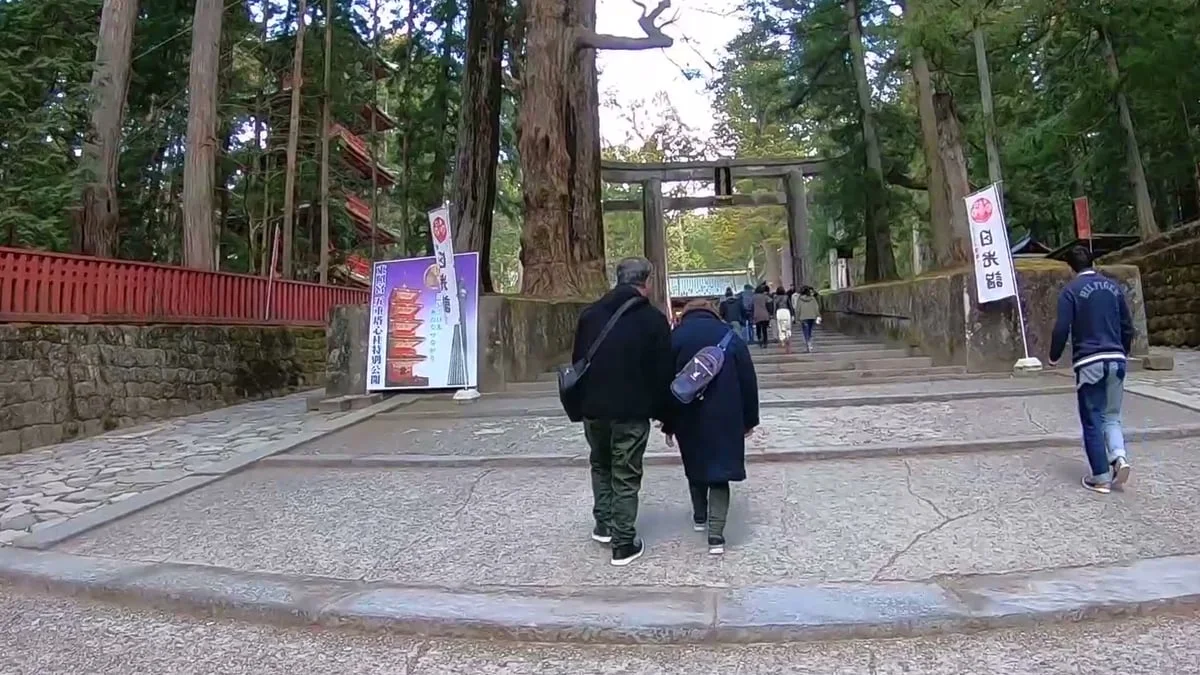
Rinno-ji, Nikko, Tochigi, Japan
Why visit
Continue to Rinnō-ji Temple, Nikko’s main Tendai Buddhist temple complex, including the Sanbutsudō hall and Shōyōen garden.
Nikko Tamozawa Imperial Villa Memorial Park, Nikko, Tochigi, Japan
Why visit
Nikkō Tamozawa Imperial Villa Memorial Park preserves an imperial villa with Meiji-era interiors and walkable gardens in Nikko town.
Nikko Kanaya Hotel, Nikko, Tochigi, Japan
Why visit
Nikkō Kanaya Hotel is a historic 1873 hotel with a dining room known for yuba, or tofu skin, cuisine.
Sukiyabashi Jiro, Ginza, Chuo City, Tokyo, Japan
Why visit
Sukiyabashi Jiro is an internationally known counter sushi restaurant in Ginza.
Kanda Matsuya, Chiyoda City, Tokyo, Japan
Why visit
Kanda Matsuya is a historic Tokyo soba shop in an Edo-period building, serving buckwheat noodles since the Edo period.
The timing of your visit to Tokyo and Nikko can influence your experience of the shrines and natural surroundings. Different periods offer varying travel characters and considerations for your itinerary.
March, April, May
Source: Nikko Official Guide · Class A · verified Sep 2, 2026
June, July, August
Source: Nikko Official Guide · Class A · verified Sep 2, 2026
September, October, November
Source: Nikko Official Guide · Class A · verified Sep 2, 2026
December, January, February
Source: Nikko Official Guide · Class A · verified Sep 2, 2026
Sources: Nikko Official Guide · Nikko Official Guide · OpenTrip
Verified Sep 2, 2026. Live details can change; use the linked official page before booking.
For this day trip, choose a base that protects the early departure and return rather than treating the destination as a mandatory overnight stay.
Source: OpenTrip · Class B · verified Sep 2, 2026
Search hotels in Departure-station base on Trip.comSource: OpenTrip · Class B · verified Sep 2, 2026
Search hotels in Opening-route base on Trip.comSource: OpenTrip · Class B · verified Sep 2, 2026
Search hotels in Optional destination overnight extension on Trip.comHow to choose: Plot the fixed bookings and first departure on the visible day order. Compare total transfers, last-return timing, step-free access, and luggage handling before comparing room price.
OpenTrip may earn a commission if you book through this link.
Sources: OpenTrip · Nikko Official Guide · Nikko Official Guide
Verified Sep 2, 2026. Live details can change; use the linked official page before booking.
Book only after checking the official operator for the traveller's dates. Start with the least flexible item so later reservations do not force an unworkable day-return order.
Source: Nikko Official Guide · Class A · verified Sep 2, 2026
Source: Nikko Official Guide · Class A · verified Sep 2, 2026
Source: Nikko Official Guide · Class A · verified Sep 2, 2026
Sources: Nikko Official Guide · Nikko Official Guide · OpenTrip
Verified Sep 2, 2026. Live details can change; use the linked official page before booking.
Nikkō Tōshō-gū anchors part of Day 1; moving it can separate stops that were saved together.
How to avoid it: Read the full sequence for Day 1, then retain Nikkō Tōshō-gū unless the surrounding source places are reviewed too.
The source plan positions Rinnō-ji Temple beside a particular group of named places, so a direct swap may alter the intended flow.
How to avoid it: Compare Rinnō-ji Temple with its adjacent entries and adjust only the part of Day 1 that needs attention.
Extra stops can crowd the recorded Day 1 order and obscure which source recommendation should take priority.
How to avoid it: Keep Taiyū-in Mausoleum as the planning anchor and remove an optional item before introducing anything beyond the itinerary.
Current access can affect how Futarasan Shrine fits the surrounding itinerary even though the source order remains authoritative.
How to avoid it: Review official visitor information for Futarasan Shrine and revise the nearby sequence only if confirmed details require it.
The saved plan connects Nikkō Tōshō-gū to other named stops, and rushing that group may weaken the practical balance.
How to avoid it: Choose which Day 1 entries matter most, preserving their recorded order while trimming lower-priority options if needed.
Use Kegon Falls as the substitute already stored in the itinerary.
Why it works: This choice stays grounded in a named source place while leaving the other Day 1 stops available for review.
Prioritise Lake Chūzenji, then defer another optional recommendation instead of adding a new stop.
Why it works: Lake Chūzenji belongs to the Tokyo + Nikko source plan, making this a bounded pacing adjustment.
Move Edo Wonderland Nikko Edomura into the open slot and review adjacent stored stops before changing anything else.
Why it works: Selecting an existing recommendation limits the revision to source-backed material and preserves the rest of the itinerary for review.
Choose Nikkō Tamozawa Imperial Villa Memorial Park from the saved options, keeping unrelated days as they are.
Why it works: The substitution shifts emphasis without inventing a destination or replacing the complete Tokyo + Nikko plan.
Your itinerary covers Day 1 (Nikko shrine-and-forest day trip from Tokyo). The day and place order stays visible so you can understand the route before making booking decisions.
Nikkō Tōshō-gū, Rinnō-ji Temple, Taiyū-in Mausoleum, Futarasan Shrine are represented in the plan. Review the full daily order to see every included place and how the days fit together.
This trip is designed for Families and individuals interested in cultural heritage and nature, with an emphasis on Nature and Heritage. Use the detailed days to judge whether the pace and mix of experiences suit you.
Yes, although the current order reflects the places already arranged in your itinerary. Review transport, access and your travel dates before moving a stop or combining days.
Confirm current official access, ticket, transport and accommodation details for the places you intend to visit. The booking checklist highlights itinerary-linked decisions without assuming prices, schedules or availability.
Source links support practical planning claims. Official pages govern live hours, prices, entry rules, transport, closures, and availability; OpenTrip route data supports only route-order and proximity inferences.
Nikko Official Guide · Source A · verified Sep 2, 2026
Supports: seasonal planning, day-trip feasibility, transport and accommodation planning.
Nikko Official Guide · Source A · verified Sep 2, 2026
Supports: peak season, bus passes, advance reservation guidance.
OpenTrip · Source B · verified Sep 2, 2026
Supports: day order, named stops, route-relative accommodation convenience.
Method: Official links are authoritative for current operating facts. OpenTrip route data supports only itinerary-specific ordering and proximity inferences.
Assumptions: The visible itinerary order and named stops remain unchanged.
Limitations: Date-sensitive facts can change after the verification date.
Use OpenTrip to create your own itinerary while keeping this source-backed plan as practical inspiration.