
Day 1
Fushimi Inari-taisha and Kiyomizu-dera
OpenTrip itinerary
Plan 4 days in Kyoto around Fushimi Inari-taisha, Kiyomizu-dera & Kinkaku-ji, with a clear day-by-day itinerary you can adapt.
Save a private, editable copy to your OpenTrip account. No credits used.
See a sample with routes, travel distances and editable planning tools.
Destination
Kyoto
Duration
4 days
Audience
general
Last updated
Sep 8, 2026
This 4-day Kyoto plan suits independent travellers and groups the visible stops into a practical daily sequence. Its main advantage is a route you can adapt without losing the day-by-day logic. Start with “Reserve accommodation in your chosen neighborhood” because securing lodging early helps align your base with your itinerary focus and preferred atmosphere. For timing, compare Spring (March to May); popular season leading to larger crowds at major sites. Use the comparisons to choose dates and a route-efficient base, then recheck the linked official sources for hours, closures, entry rules, transport changes, and availability. Save an editable copy to move flexible stops around confirmed bookings.
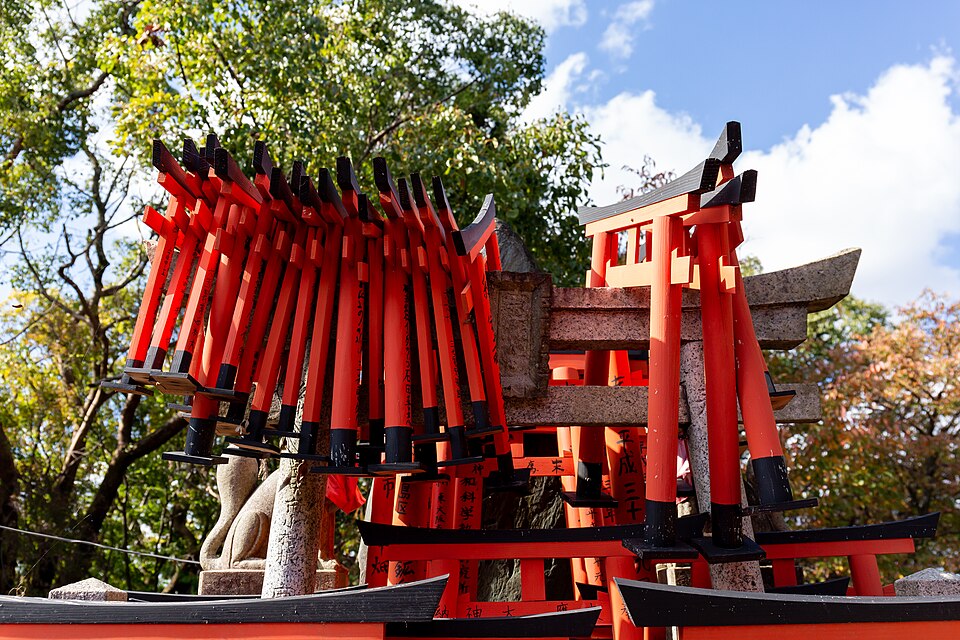
Shinto shrine and torii-gate route. That detail defines the visit to Fushimi Inari-taisha. Fushimi Inari-taisha keeps the emphasis on food and cuisine, providing a concrete point of interest for the visit. Kiyomizu-dera later introduces art, history, and culture after food and cuisine. That makes Fushimi Inari-taisha a clear first stop for visitors interested in food and cuisine.
Kiyomizu-dera makes art, history, and culture the cultural contrast with the previous visit. Following Fushimi Inari-taisha, Kiyomizu-dera turns to art, history, and culture. Historic hillside temple complex. That detail defines the visit to Kiyomizu-dera. The afternoon therefore offers a different setting from the earlier visit.
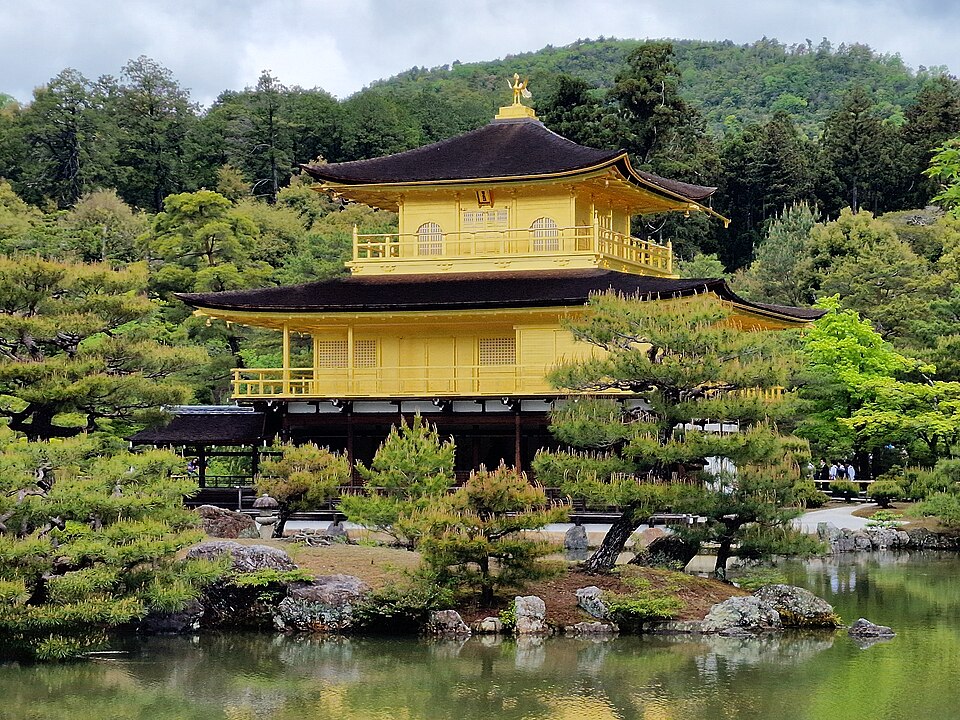
Temple and landscaped pond garden. That detail defines the visit to Kinkaku-ji. Kinkaku-ji provides open-air relief after indoor visits through greenery and open space. Ryōan-ji later introduces greenery and open space after greenery and open space. That makes Kinkaku-ji a clear first stop for visitors interested in greenery and open space.
Ryōan-ji provides open-air relief after indoor visits through greenery and open space. Following Kinkaku-ji, Ryōan-ji turns to greenery and open space. Zen temple and rock garden. That detail defines the visit to Ryōan-ji. The afternoon therefore offers a different setting from the earlier visit.
Bamboo-lined walking route. That detail defines the visit to Arashiyama Bamboo Grove. Arashiyama Bamboo Grove keeps the emphasis on food and cuisine, providing a concrete point of interest for the visit. Tenryū-ji later introduces greenery and open space after food and cuisine. That makes Arashiyama Bamboo Grove a clear first stop for visitors interested in food and cuisine.
Tenryū-ji provides open-air relief after indoor visits through greenery and open space. Following Arashiyama Bamboo Grove, Tenryū-ji turns to greenery and open space. Zen temple and garden. That detail defines the visit to Tenryū-ji. The afternoon therefore offers a different setting from the earlier visit.
Historic temple hall and Buddhist statuary. That detail defines the visit to Sanjūsangen-dō. Sanjūsangen-dō draws its character from art, history, and culture. Ginkaku-ji later introduces food and cuisine after art, history, and culture. That makes Sanjūsangen-dō a clear first stop for visitors interested in art, history, and culture.
Ginkaku-ji keeps the emphasis on food and cuisine, providing a concrete point of interest for the visit. Following Sanjūsangen-dō, Ginkaku-ji turns to food and cuisine. Zen temple and landscaped gardens. That detail defines the visit to Ginkaku-ji. The afternoon therefore offers a different setting from the earlier visit.
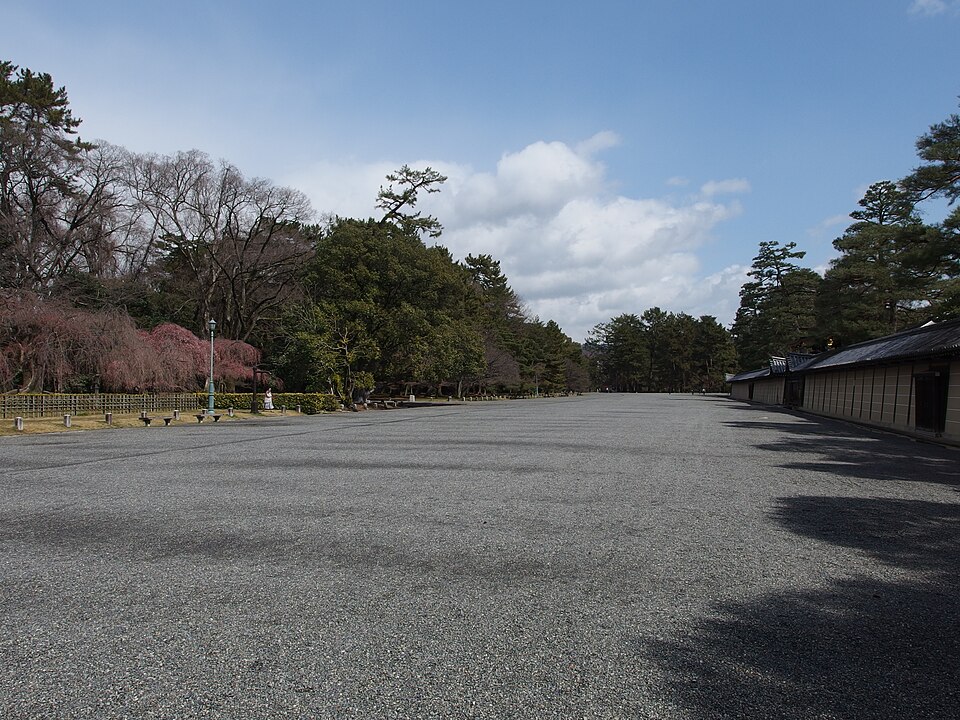
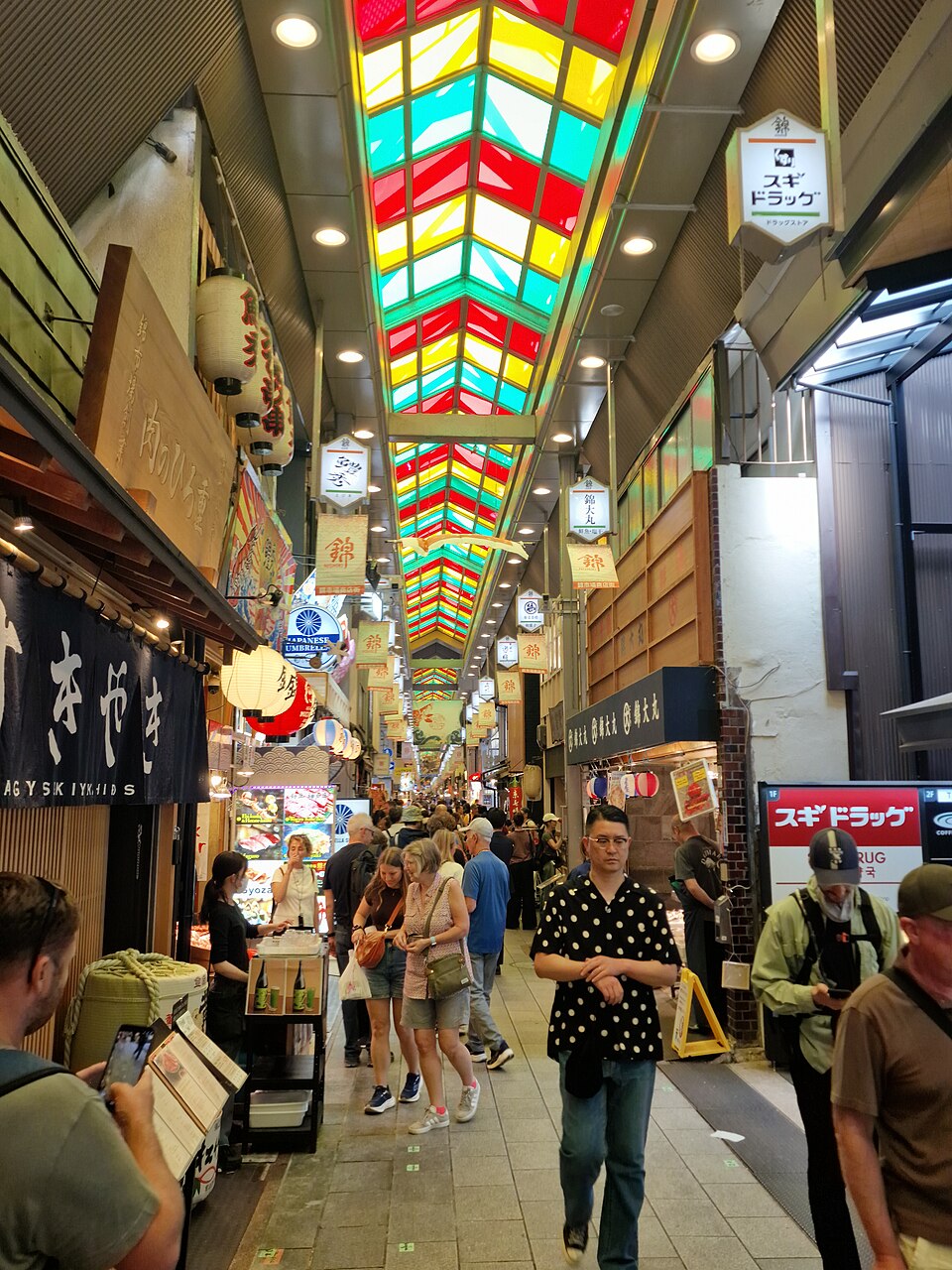
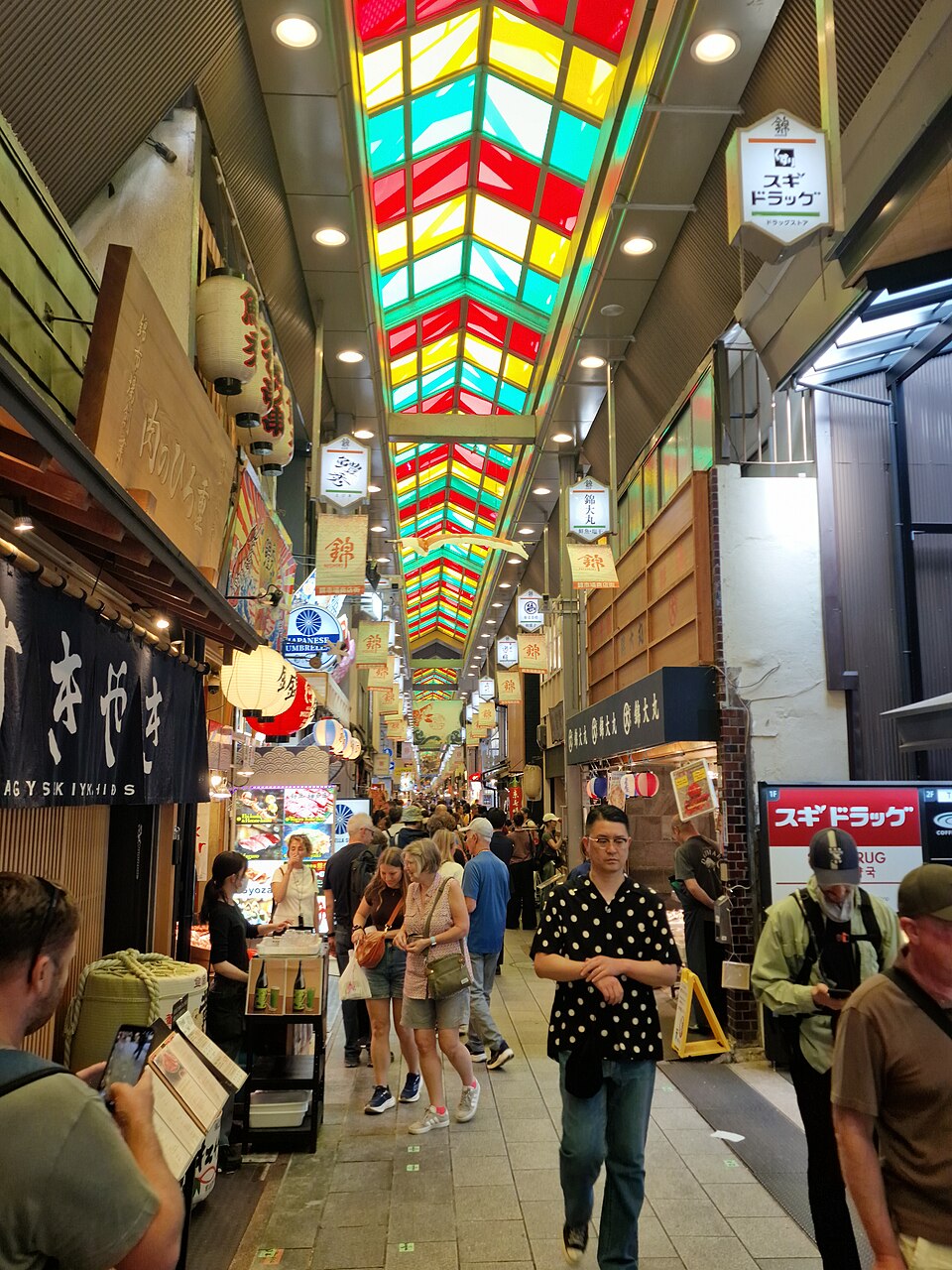
Nakagyo, Kyoto
Why visit
named market with food stalls and specialist shops
Higashiyama, Kyoto
Why visit
named historic district with multiple dining options
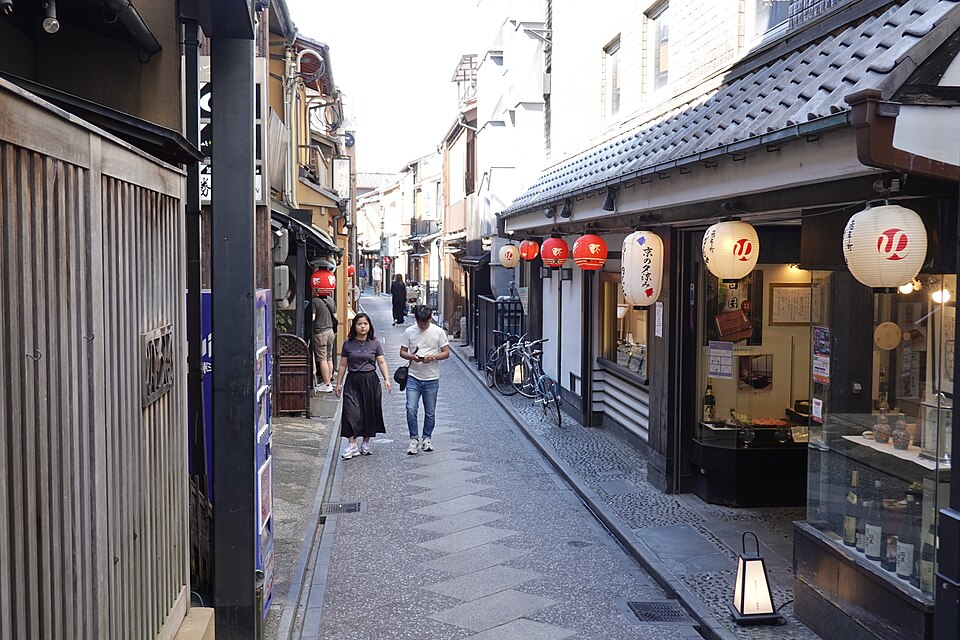
Nakagyo, Kyoto
Why visit
named lane with multiple dining options
Kyoto experiences distinct seasonal weather patterns that influence the comfort and style of your visit. Understanding these periods helps tailor your itinerary to your preferences and activity plans.
March to May
Source: OpenTrip · Class A · verified Sep 2, 2026
June to August
Source: OpenTrip · Class A · verified Sep 2, 2026
September to November
Source: OpenTrip · Class A · verified Sep 2, 2026
December to February
Source: OpenTrip · Class A · verified Sep 2, 2026
Sources: OpenTrip
Verified Sep 2, 2026. Live details can change; use the linked official page before booking.
Kyoto's diverse neighborhoods offer distinct atmospheres and conveniences suited to different traveler preferences and itinerary needs. Selecting a base depends on your focus areas and desired experience during your four-day visit. Use the saved 4-day Kyoto order to compare these bases with the days they support. Confirm current transport and access details before choosing accommodation, and weigh each listed trade-off against the number of base changes and the pace that
Source: OpenTrip · Class A · verified Sep 2, 2026
Search hotels in Central Kyoto (Nakagyo) on Trip.comSource: OpenTrip · Class A · verified Sep 2, 2026
Search hotels in Higashiyama on Trip.comSource: OpenTrip · Class A · verified Sep 2, 2026
Search hotels in Arashiyama on Trip.comSource: OpenTrip · Class A · verified Sep 2, 2026
Search hotels in Kamigyo on Trip.comHow to choose: Choose your accommodation based on which itinerary days and experiences you prioritize. Central Kyoto (Nakagyo) offers the most versatile access for all four days, while Higashiyama suits those focusing on eastern temples and traditional dining. Arashiyama is best for a nature-focused stay on day 3, and Kamigyo provides a quieter base near imperial and northern sites. Consider your preference for atmosphere, convenience, and proximity to dining when selecting your neighborhood.
OpenTrip may earn a commission if you book through this link.
Sources: OpenTrip
Verified Sep 2, 2026. Live details can change; use the linked official page before booking.
To ensure a smooth and enjoyable visit to Kyoto, consider the following booking and preparation actions aligned with your itinerary.
Source: OpenTrip · Class A · verified Sep 2, 2026
Source: OpenTrip · Class B · verified Sep 2, 2026
Source: OpenTrip · Class A · verified Sep 2, 2026
Source: OpenTrip · Class B · verified Sep 2, 2026
Sources: OpenTrip
Verified Sep 2, 2026. Live details can change; use the linked official page before booking.
Fushimi Inari-taisha anchors part of Day 1; moving it can separate stops that were saved together.
How to avoid it: Read the full sequence for Day 1, then retain Fushimi Inari-taisha unless the surrounding included places are reviewed too.
The trip plan positions Kiyomizu-dera beside a particular group of named places, so a direct swap may alter the intended flow.
How to avoid it: Compare Kiyomizu-dera with its adjacent entries and adjust only the part of Day 1 that needs attention.
Extra stops can crowd the planned Day 2 order and obscure which source recommendation should take priority.
How to avoid it: Keep Kinkaku-ji as the planning anchor and remove an optional item before introducing anything beyond the itinerary.
Current access can affect how Ryōan-ji fits the surrounding itinerary even though the day order remains authoritative.
How to avoid it: Review official visitor information for Ryōan-ji and revise the nearby sequence only if confirmed details require it.
The saved plan connects Arashiyama Bamboo Grove to other named stops, and rushing that group may weaken the practical balance.
How to avoid it: Choose which Day 3 entries matter most, preserving their recorded order while trimming lower-priority options if needed.
Use Nijō Castle as the substitute already already included.
Why it works: This choice stays grounded in a place already included while leaving the other Day 1 stops available for review.
Prioritise Kyoto Imperial Palace, then defer another optional recommendation instead of adding a new stop.
Why it works: Kyoto Imperial Palace belongs to the Kyoto trip plan, making this a bounded pacing adjustment.
Move Nishiki Market into the open slot and review adjacent stored stops before changing anything else.
Why it works: Selecting an existing recommendation limits the revision to practical material and preserves the rest of the itinerary for review.
Choose Nijō Castle from the saved options, keeping unrelated days as they are.
Why it works: The substitution shifts emphasis without inventing a destination or replacing the complete Kyoto plan.
Your itinerary covers Day 1 (Fushimi Inari-taisha and Kiyomizu-dera), Day 2 (Kinkaku-ji and Ryōan-ji), Day 3 (Arashiyama Bamboo Grove and Tenryū-ji), Day 4 (Sanjūsangen-dō and Ginkaku-ji). The day and place order stays visible so you can understand the route before making booking decisions.
Fushimi Inari-taisha, Kiyomizu-dera, Kinkaku-ji, Ryōan-ji, Arashiyama Bamboo Grove, Tenryū-ji are among the stops shown in the complete day-by-day plan. Review the full daily order to see every included place and how the days fit together.
This trip is designed for general, with an emphasis on classic city highlights. Use the detailed days to judge whether the pace and mix of experiences suit you.
Yes, although the current order reflects the places already arranged in your itinerary. Review transport, access and your travel dates before moving a stop or combining days.
Confirm current official access, ticket, transport and accommodation details for the places you intend to visit. The booking checklist highlights itinerary-linked decisions without assuming prices, schedules or availability.
Source links support practical planning claims. Official pages govern live hours, prices, entry rules, transport, closures, and availability; OpenTrip route data supports only route-order and proximity inferences.
OpenTrip · Source B · verified Sep 2, 2026
Supports: day order, named stops, route-relative accommodation convenience.
Method: Official destination or operator guidance is used for date-sensitive planning. OpenTrip route order is used only for itinerary-fit and base-convenience inferences. The official links remain the authority for live prices, hours, closures, entry rules, and availability.
Assumptions: The visible itinerary order and named stops remain unchanged.
Limitations: Opening hours, prices, weather, transport, and availability can change after the verification date.
Use OpenTrip to create your own itinerary while keeping this source-backed plan as practical inspiration.