
Day 1
Ancient Rome: Colosseum to the Capitoline
OpenTrip itinerary
Embark on a 5-day journey through Ancient and Baroque Rome, tailored for cultural enthusiasts and history buffs. Discover iconic landmarks and rich history.
Save a private, editable copy to your OpenTrip account. No credits used.
See a sample with routes, travel distances and editable planning tools.
Destination
Rome
Duration
5 days
Audience
First-time Rome visitors who want a walkable, geographically coherent five-day route
Last updated
Sep 6, 2026
This 5-day Rome plan suits Cultural enthusiasts and history buffs and groups the visible stops into a practical daily sequence. Its main advantage is a route you can adapt without losing the day-by-day logic. Start with “Capitoline Museums” because the museum offers a comprehensive view of Ancient Rome artifacts and overlooks the Roman Forum, complementing Day 1's. For timing, compare Spring (March to May) (March, April, May); some popular sites may start to see increased visitors, especially in late spring. Use the comparisons to choose dates and a route-efficient base, then recheck the linked official sources for hours, closures, entry rules, transport changes, and availability. Save an editable copy to move flexible stops around confirmed bookings.
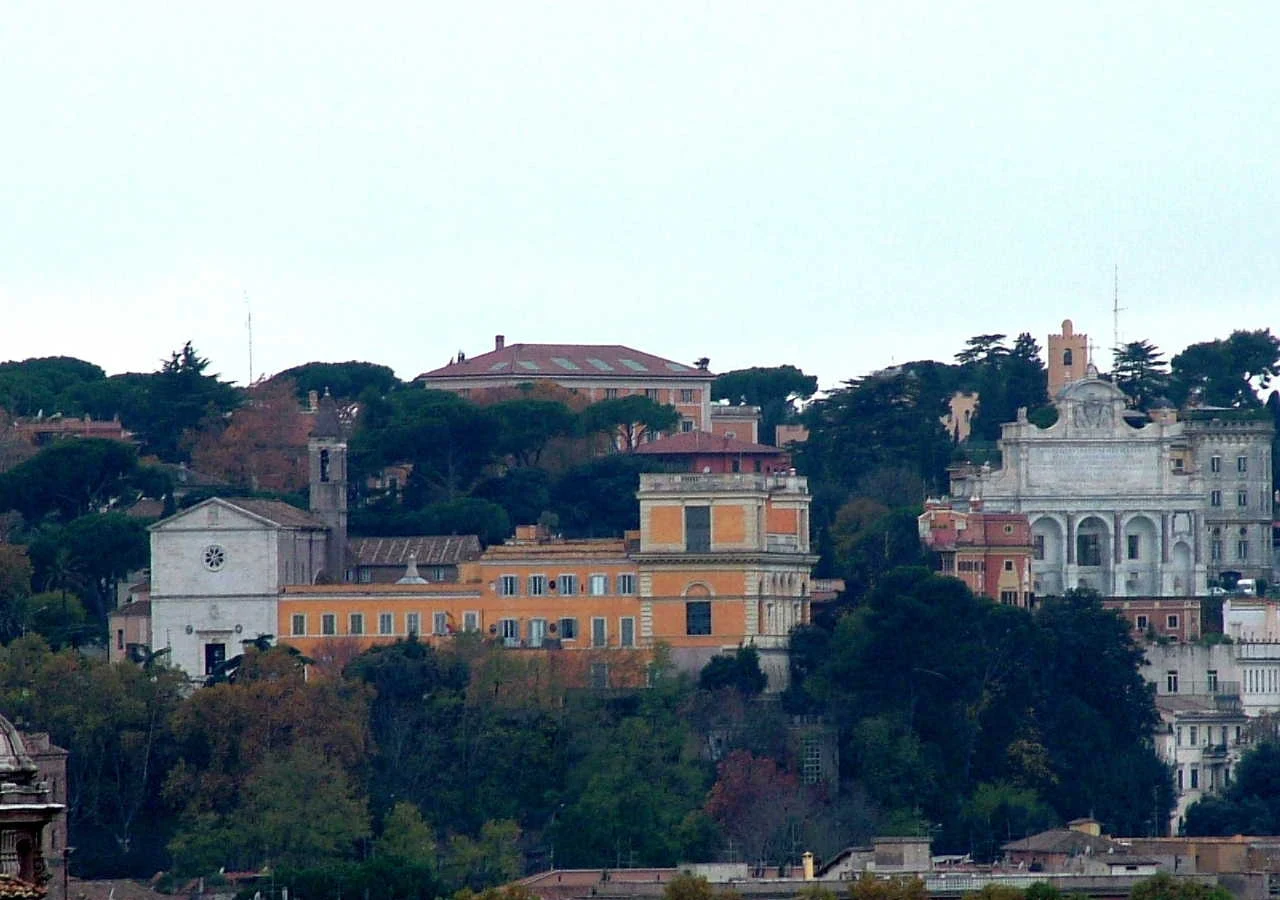
Begin with Rome’s ancient centre in one contiguous archaeological walk. See the Colosseum, continue through the Roman Forum and Palatine Hill, then climb to the Capitoline Museums for a change of perspective over the Forum. If the ancient sites feel dense, keep the Colosseum exterior walk and the Capitoline view, and save the interior museum halls for a later visit.
Start at the Colosseum, the Flavian amphitheatre at the centre of ancient Rome. Continue to the Roman Forum, the main public plaza of ancient Rome between the Capitoline and Palatine hills. Roman Forum shifts the setting from Colosseum to Roman Forum. Together, Colosseum and Roman Forum move from Colosseum toward Roman Forum, with each place contributing a different subject and setting.
Following Roman Forum, Palatine Hill turns to Palatine Hill. Walk up Palatine Hill, Rome’s legendary founding hill and the later setting for imperial palaces. The setting around Palatine Hill reflects walk up Palatine Hill, Rome’s legendary founding hill and the later setting for imperial palaces. Palatine Hill closes this sequence on Palatine Hill, easing the day into a different setting.
Finish at the Capitoline Museums, a museum complex set around a Michelangelo-designed piazza on Capitoline Hill. Capitoline Museums draws its character from the collection and its works. Following Palatine Hill, Capitoline Museums turns to the collection and its works. That makes Capitoline Museums a clear first stop for visitors interested in the collection and its works.
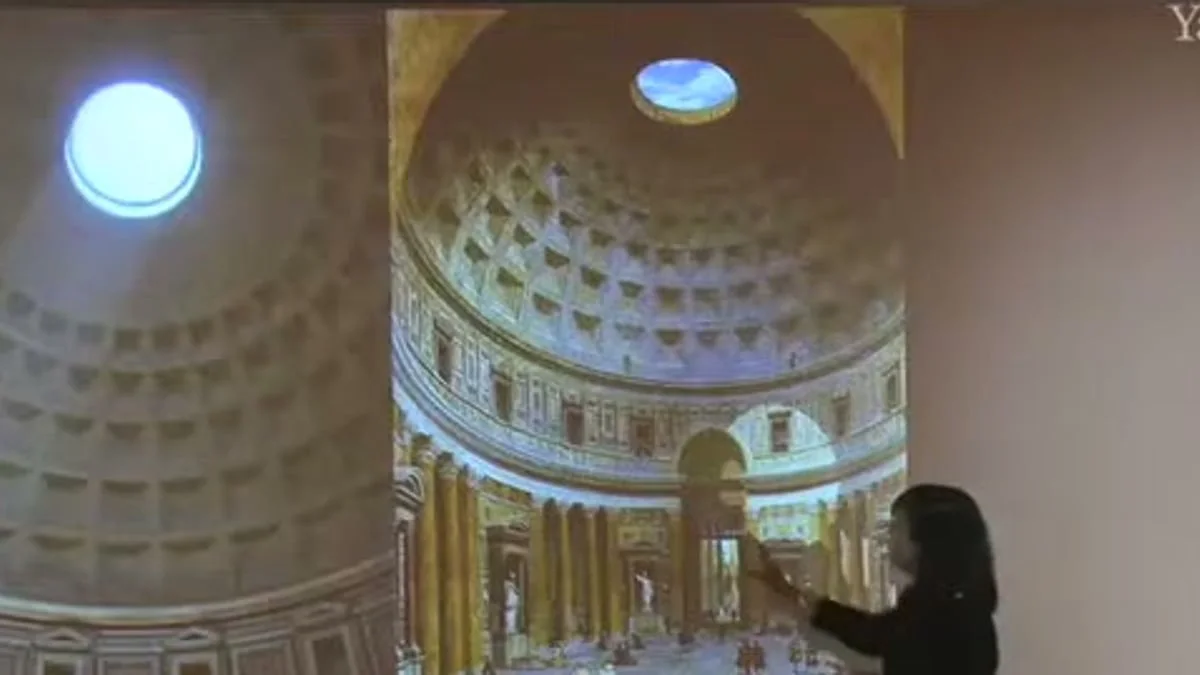
Walk across Rome’s compact baroque centre from the Pantheon to Piazza Navona, then continue to the Trevi Fountain and finish at Piazza di Spagna and the Spanish Steps. On crowded afternoons, reverse the loop and take the steps early, ending with the Pantheon interior.
Open the day at the Pantheon, the best-preserved major Roman temple, now a church. Walk to Piazza Navona, an oval baroque piazza built on the site of Domitian’s stadium. Piazza Navona shifts the setting from Pantheon to Piazza Navona. Together, Pantheon and Piazza Navona move from Pantheon toward Piazza Navona, with each place contributing a different subject and setting.
Following Piazza Navona, Trevi Fountain turns to Trevi Fountain. Continue to the Trevi Fountain, the terminal fountain of the Acqua Vergine aqueduct behind Palazzo Poli. The setting around Trevi Fountain reflects continue to the Trevi Fountain, the terminal fountain of the Acqua Vergine aqueduct behind Palazzo Poli. Trevi Fountain closes this sequence on Trevi Fountain, easing the day into a different setting.
End at Piazza di Spagna, the square below the Spanish Steps. At Piazza di Spagna, attention shifts to the surrounding area through the neighborhood and its streets. Following Trevi Fountain, Piazza di Spagna turns to the neighborhood and its streets. That makes Piazza di Spagna a clear first stop for visitors interested in the neighborhood and its streets.
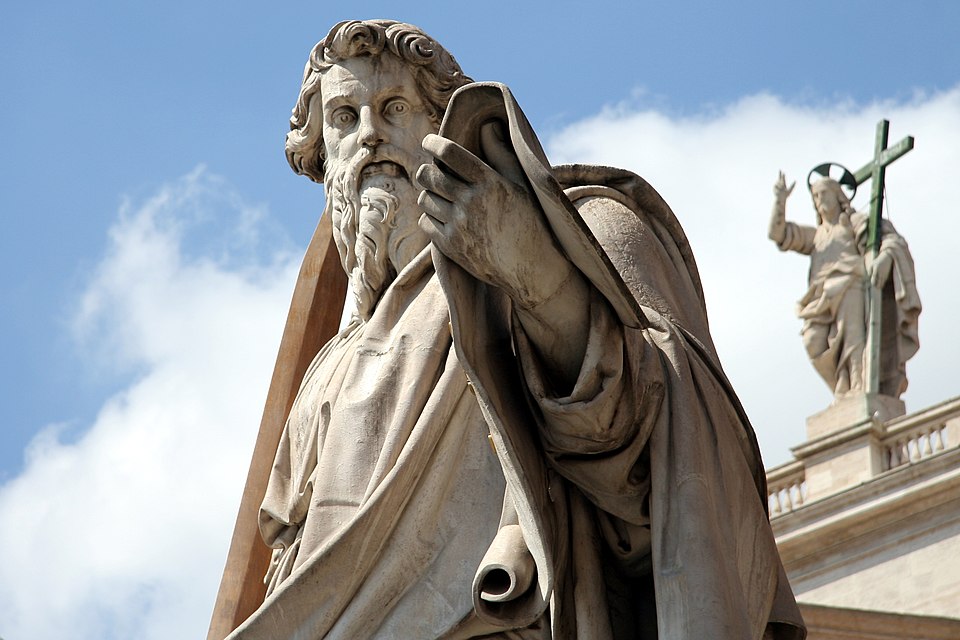
Cross the river once for a day on the Vatican side, beginning with St. Peter’s Basilica and the Vatican Museums before continuing to the Sistine Chapel and Castel Sant’Angelo. If museum capacity runs out, keep the basilica and the river-castle walk; the chapel keeps for a return trip.
Begin at Old St. That detail defines the visit to Old St. Peter's Basilica. Continue through the Vatican Museums, the papal museum complex that includes the Raphael Rooms and the Sistine Chapel. Vatican Museums shifts the setting from Old St. Peter's Basilica to art, history, and culture. Together, Old St. Peter's Basilica and Vatican Museums move from Old St. Peter's Basilica toward art, history, and culture, with each place contributing a different subject and setting.
Following Vatican Museums, Sistine Chapel turns to Sistine Chapel. Sistine Chapel offers a closer look at the Sistine Chapel within the Vatican sequence. The setting around Sistine Chapel reflects the Sistine Chapel within the Vatican sequence. Sistine Chapel closes this sequence on Sistine Chapel, easing the day into a different setting.
Finish at Castel Sant’Angelo beside the river. That detail defines the visit to Castel Sant'Angelo. The setting around Castel Sant'Angelo reflects finish at Castel Sant’Angelo beside the river. Following Sistine Chapel, Castel Sant'Angelo turns to Castel Sant'Angelo. That makes Castel Sant'Angelo a clear first stop for visitors interested in Castel Sant'Angelo.
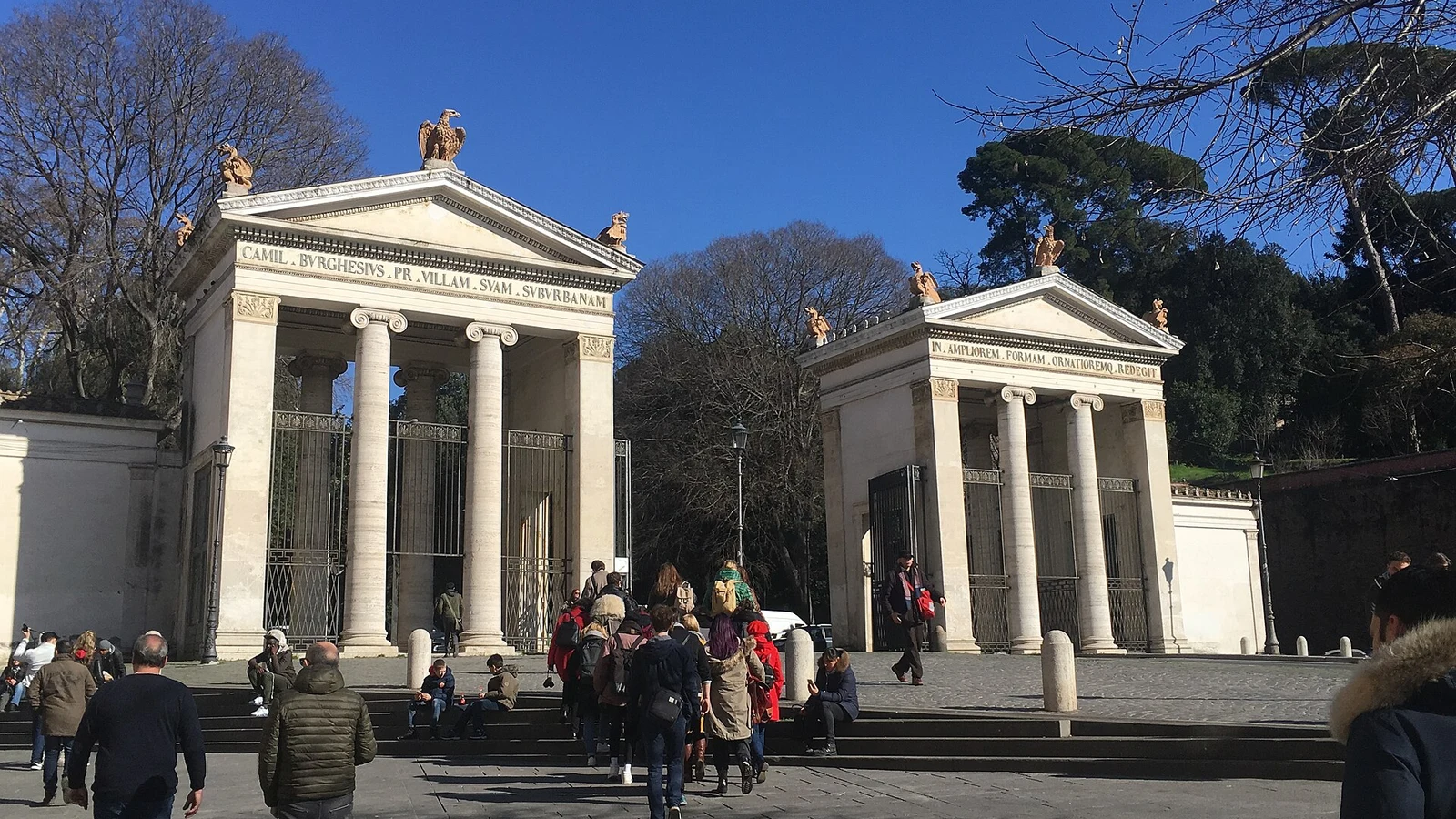
Spend the day within and below the Borghese estate. Start with sculpture and paintings at Galleria Borghese, walk through the gardens, then descend to Piazza del Popolo and Santa Maria del Popolo. On hot days, shorten the garden leg to the terrace over the piazza and spend the saved time in the gallery’s ground floor.
Start at Galleria Borghese, Cardinal Scipione Borghese’s villa and an art museum known for Bernini sculpture and Caravaggio paintings. Move into the Villa Borghese gardens, a large landscaped park on the Pincian hill above Piazza del Popolo. Villa Borghese gardens shifts the setting from the collection and its works to art, history, and culture. Together, Galleria Borghese and Villa Borghese gardens move from the collection and its works toward art, history, and culture, with each place contributing a different subject and setting.
Following Villa Borghese gardens, piazza del Popolo turns to greenery and open space. Descend to Piazza del Popolo, the neoclassical square inside Rome’s northern gate. piazza del Popolo provides open-air relief after indoor visits through greenery and open space. piazza del Popolo closes this sequence on greenery and open space, easing the day into a different setting.
Finish at Santa Maria del Popolo beside the piazza. The setting around Santa Maria del Popolo reflects finish at Santa Maria del Popolo beside the piazza. Following piazza del Popolo, Santa Maria del Popolo turns to Santa Maria del Popolo. That makes Santa Maria del Popolo a clear first stop for visitors interested in Santa Maria del Popolo.
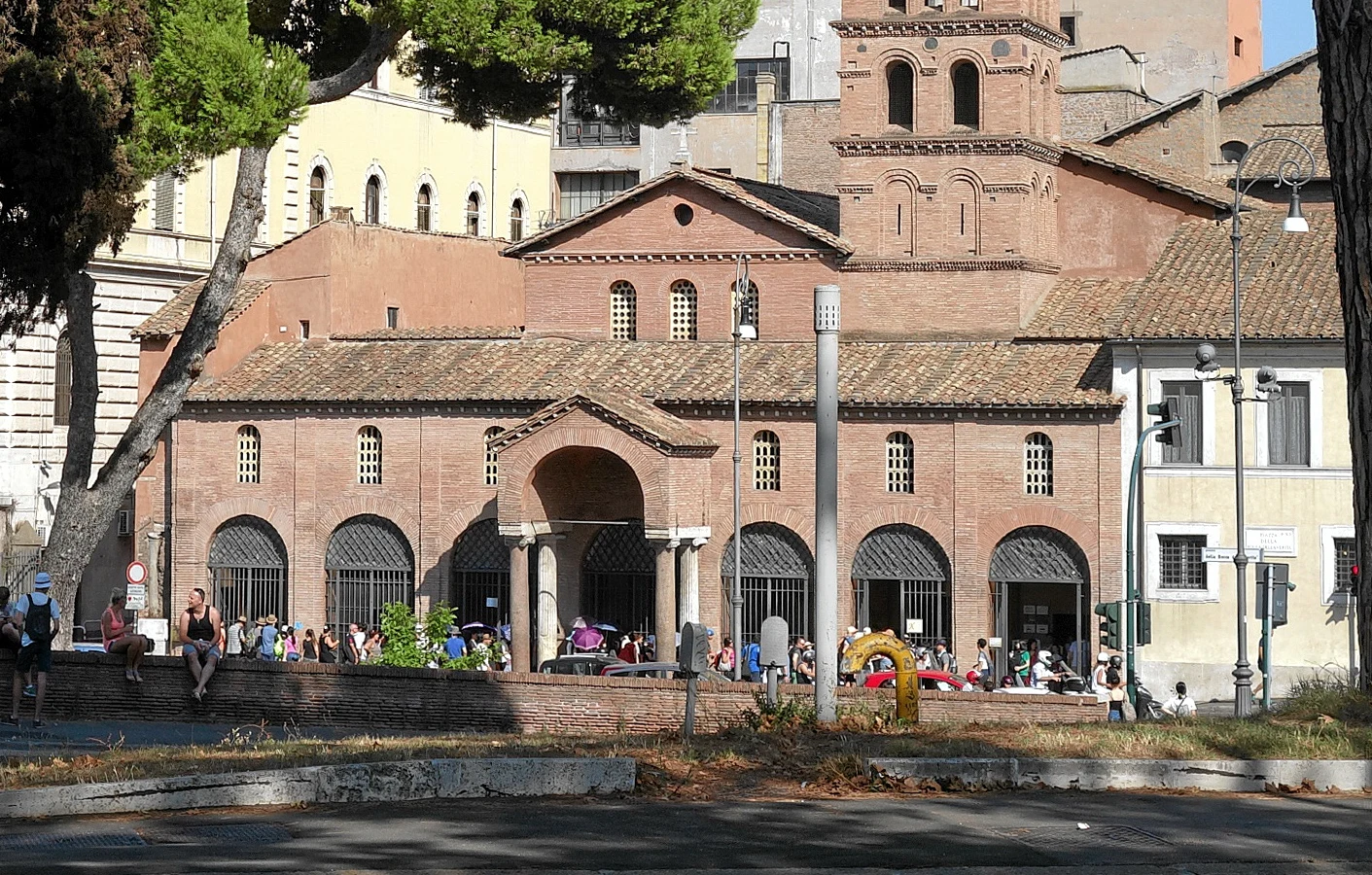
Finish along the river with a compact southern route: begin at Santa Maria in Cosmedin and Circus Maximus, climb to the Orange Garden, then cross to Santa Maria in Trastevere and the surrounding lanes. If legs are tired, skip the Aventine climb and cross the river directly to Trastevere for the final afternoon.
Begin at Santa Maria in Cosmedin, a medieval church housing the Bocca della Verita marble mask. Continue to Circus Maximus, the long ancient Roman chariot-racing arena between the Palatine and Aventine hills. Circus Maximus shifts the setting from Santa Maria in Cosmedin to Circus Maximus. Together, Santa Maria in Cosmedin and Circus Maximus move from Santa Maria in Cosmedin toward Circus Maximus, with each place contributing a different subject and setting.
Following Circus Maximus, Orange Garden turns to greenery and open space. Climb to the Orange Garden on the Aventine. Orange Garden provides open-air relief after indoor visits through greenery and open space. Orange Garden closes this sequence on greenery and open space, easing the day into a different setting.
Cross to Santa Maria in Trastevere, one of Rome’s oldest churches. The setting around Santa Maria in Trastevere reflects cross to Santa Maria in Trastevere, one of Rome’s oldest churches. Following Orange Garden, Santa Maria in Trastevere turns to Santa Maria in Trastevere. That makes Santa Maria in Trastevere a clear first stop for visitors interested in Santa Maria in Trastevere.
Antico Caffe Greco, Rome, Italy
Why visit
Antico Caffè Greco is Rome’s historic 1760 cafe near the Spanish Steps, known for espresso and interior salons.
Giolitti, Via degli Uffici del Vicario, Rome, Italy
Why visit
Giolitti is a cafe and pastry shop established in Rome since 1900, with a famous gelato counter near the Pantheon.
Campo de' Fiori, Rome, Italy
Why visit
Campo de’ Fiori is Rome’s famous open-air market square, with produce and street-food stalls each morning.
Rome's climate and visitor patterns vary across the year, influencing your experience of the city's outdoor sites, museums, and neighborhoods. Planning your visit with seasonal characteristics in mind helps align your itinerary with your preferences.
March, April, May
Source: Roma Capitale · Class A · verified Sep 2, 2026
June, July, August
Source: Roma Capitale · Class A · verified Sep 2, 2026
September, October, November
Source: Roma Capitale · Class A · verified Sep 2, 2026
December, January, February
Source: Roma Capitale · Class A · verified Sep 2, 2026
Sources: Roma Capitale · Parco archeologico del Colosseo · OpenTrip
Verified Sep 2, 2026. Live details can change; use the linked official page before booking.
Choosing where to stay in Rome can shape your daily experience, especially when following a walkable five-day itinerary focused on distinct city areas. Selecting a base near your daily routes enhances convenience and immersion. Use the saved 5-day Rome order to compare these bases with the days they support. Confirm current transport and access details before choosing accommodation, and weigh each listed trade-off against the number of base changes and
Source: OpenTrip · Class B · verified Sep 2, 2026
Search stays in Centro Storico on Booking.comSource: OpenTrip · Class B · verified Sep 2, 2026
Search stays in Vatican Area (Prati) on Booking.comSource: OpenTrip · Class B · verified Sep 2, 2026
Search stays in Villa Borghese / Piazza del Popolo on Booking.comSource: OpenTrip · Class B · verified Sep 2, 2026
Search stays in Trastevere on Booking.comHow to choose: Consider your daily itinerary focus and preferred atmosphere. Staying in Centro Storico places you at the heart of Ancient and Baroque Rome, while Prati suits Vatican-focused days. Villa Borghese offers a green retreat near art, and Trastevere provides a lively local experience. Balancing proximity to your main daily routes with your preferred neighborhood character will enhance your visit.
Sources: OpenTrip · Roma Capitale · Parco archeologico del Colosseo
Verified Sep 2, 2026. Live details can change; use the linked official page before booking.
Planning your bookings around Rome's itinerary and seasonal patterns ensures smoother visits and helps manage time effectively. Confirm current official details before finalizing arrangements.
Source: Roma Capitale · Class A · verified Sep 2, 2026
Source: Roma Capitale · Class A · verified Sep 2, 2026
Source: Roma Capitale · Class A · verified Sep 2, 2026
Source: Roma Capitale · Class A · verified Sep 2, 2026
Source: Roma Capitale · Class A · verified Sep 2, 2026
Sources: Roma Capitale · Parco archeologico del Colosseo · OpenTrip
Verified Sep 2, 2026. Live details can change; use the linked official page before booking.
Colosseum anchors part of Day 1; moving it can separate stops that were saved together.
How to avoid it: Read the full sequence for Day 1, then retain Colosseum unless the surrounding source places are reviewed too.
The source plan positions Roman Forum beside a particular group of named places, so a direct swap may alter the intended flow.
How to avoid it: Compare Roman Forum with its adjacent entries and adjust only the part of Day 1 that needs attention.
Extra stops can crowd the recorded Day 1 order and obscure which source recommendation should take priority.
How to avoid it: Keep Palatine Hill as the planning anchor and remove an optional item before introducing anything beyond the itinerary.
Current access can affect how Capitoline Museums fits the surrounding itinerary even though the source order remains authoritative.
How to avoid it: Review official visitor information for Capitoline Museums and revise the nearby sequence only if confirmed details require it.
The saved plan connects Pantheon to other named stops, and rushing that group may weaken the practical balance.
How to avoid it: Choose which Day 2 entries matter most, preserving their recorded order while trimming lower-priority options if needed.
Use Baths of Caracalla as the substitute already stored in the itinerary.
Why it works: This choice stays grounded in a named source place while leaving the other Day 1 stops available for review.
Prioritise Appian Way, then defer another optional recommendation instead of adding a new stop.
Why it works: Appian Way belongs to the Rome source plan, making this a bounded pacing adjustment.
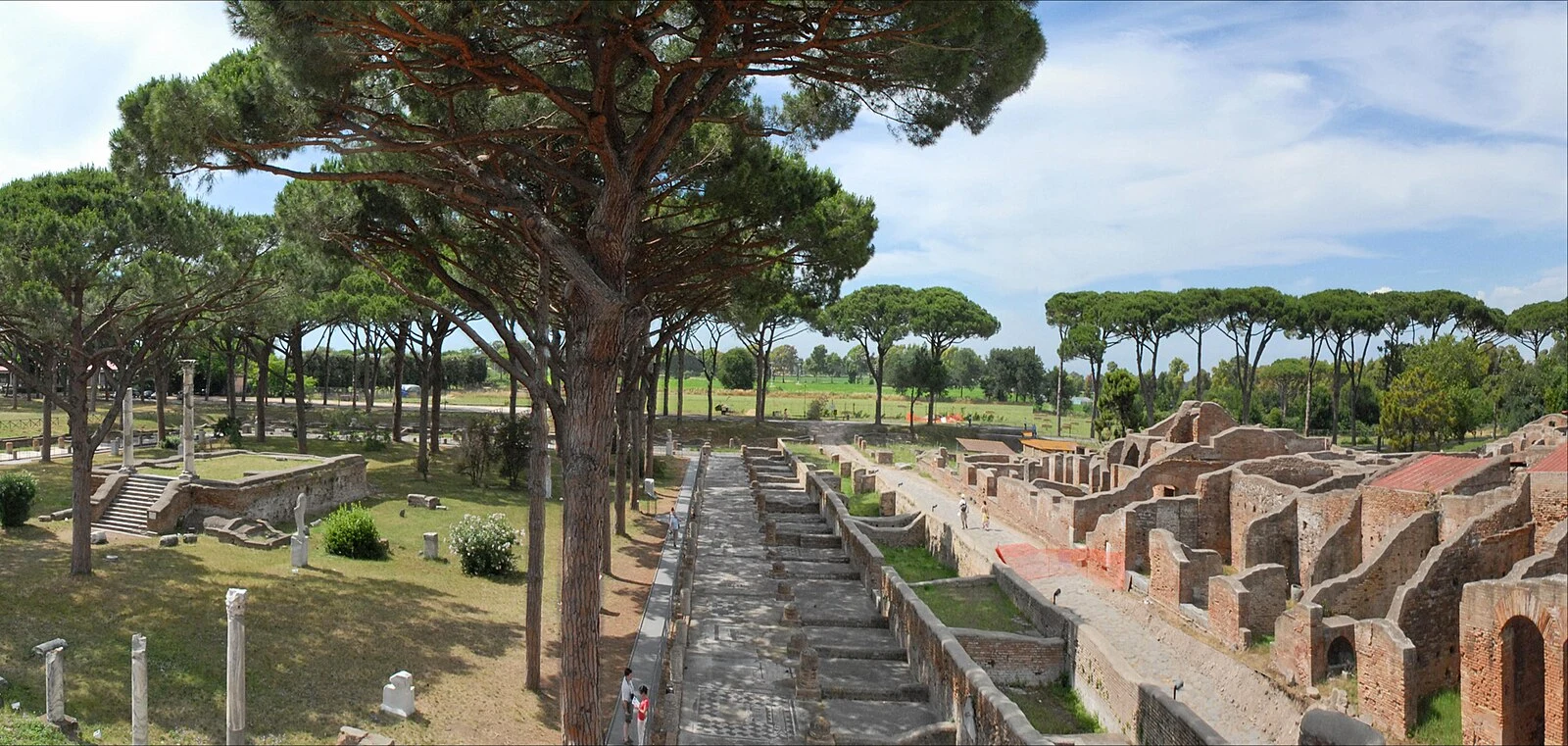
Move Ostia into the open slot and review adjacent stored stops before changing anything else.
Why it works: Selecting an existing recommendation limits the revision to source-backed material and preserves the rest of the itinerary for review.
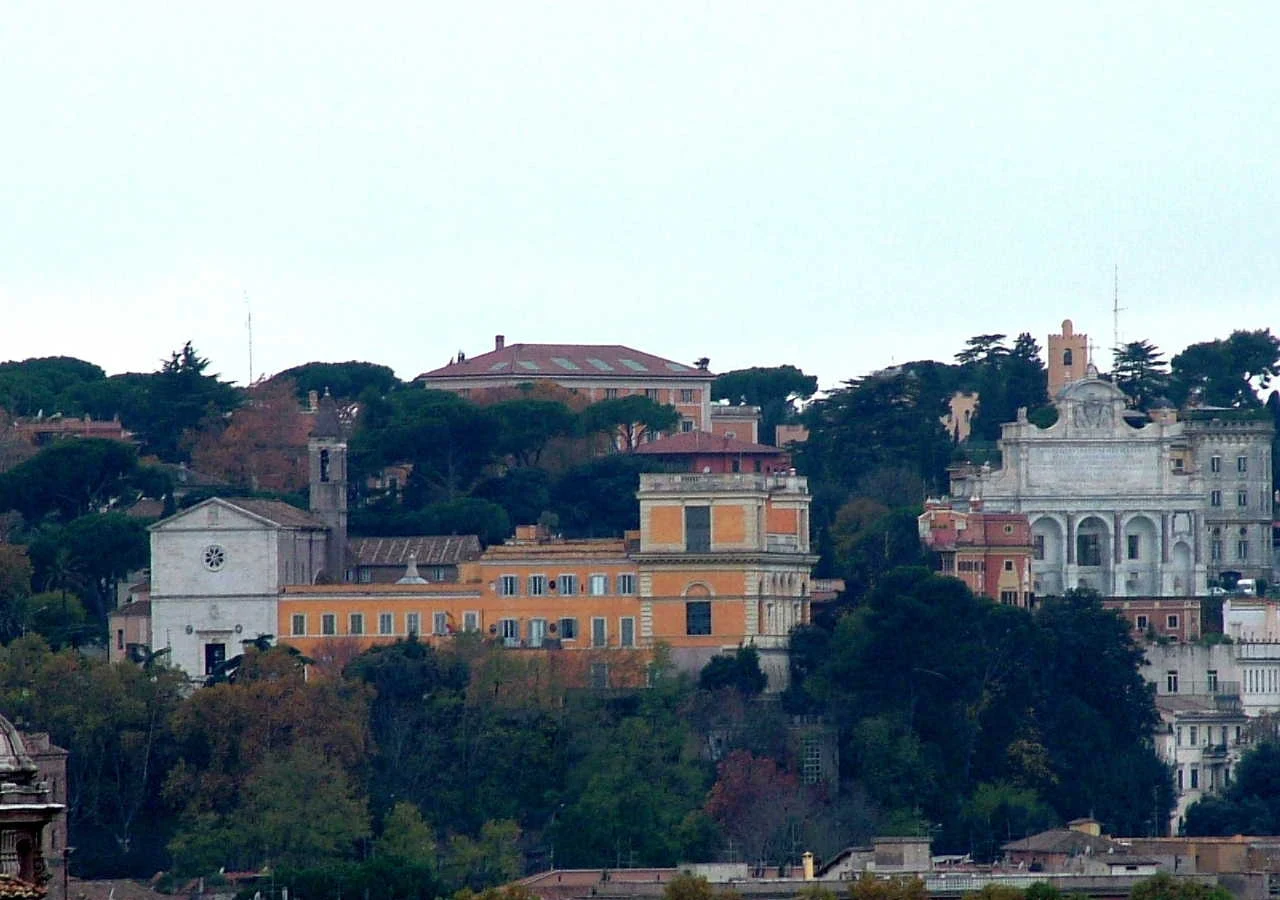
Choose Janiculum from the saved options, keeping unrelated days as they are.
Why it works: The substitution shifts emphasis without inventing a destination or replacing the complete Rome plan.
Your itinerary covers Day 1 (Ancient Rome: Colosseum to the Capitoline), Day 2 (Baroque Centre: Pantheon to the Spanish Steps), Day 3 (Vatican City and the River Castle), Day 4 (Villas, Sculpture and the Northern Gate). The day and place order stays visible so you can understand the route before making booking decisions.
Colosseum, Roman Forum, Palatine Hill, Capitoline Museums, Pantheon, Piazza Navona are among the stops shown in the complete day-by-day plan. Review the full daily order to see every included place and how the days fit together.
This trip is designed for Cultural enthusiasts and history buffs, with an emphasis on Ancient and Baroque Rome. Use the detailed days to judge whether the pace and mix of experiences suit you.
Yes, although the current order reflects the places already arranged in your itinerary. Review transport, access and your travel dates before moving a stop or combining days.
Confirm current official access, ticket, transport and accommodation details for the places you intend to visit. The booking checklist highlights itinerary-linked decisions without assuming prices, schedules or availability.
Source links support practical planning claims. Official pages govern live hours, prices, entry rules, transport, closures, and availability; OpenTrip route data supports only route-order and proximity inferences.
Roma Capitale · Source A · verified Sep 2, 2026
Supports: official visitor information, transport and access planning.
Parco archeologico del Colosseo · Source A · verified Sep 2, 2026
Supports: official tickets, opening-time checks, visitor access.
OpenTrip · Source B · verified Sep 2, 2026
Supports: day order, named stops, route-relative accommodation convenience.
Method: Official links are authoritative for current operating facts. OpenTrip route data supports only itinerary-specific ordering and proximity inferences.
Assumptions: The visible itinerary order and named stops remain unchanged.
Limitations: Date-sensitive facts can change after the verification date.
Use OpenTrip to create your own itinerary while keeping this source-backed plan as practical inspiration.