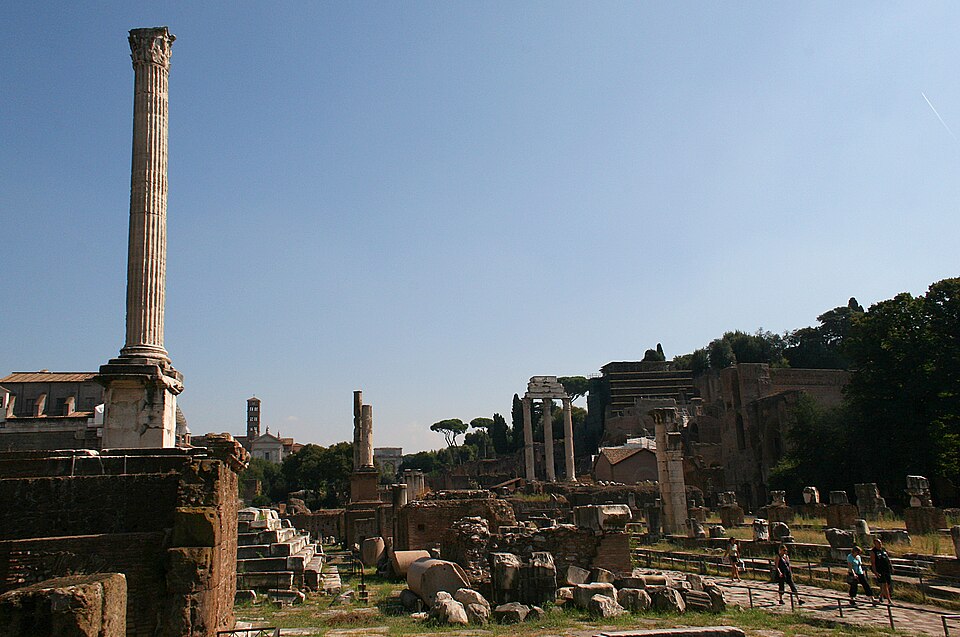
Roman Forum during the itinerary in Rome
Jean-Pol GRANDMONT · CC BY 4.0 · Image source

OpenTrip itinerary

RomeItalydestination_duration_generalgeneral

Rome: A 3-Day Itinerary

Plan 3 days in Rome around Campo de' Fiori Market, Mercato Centrale Roma & Colosseum, with a clear day-by-day itinerary you can adapt.

OpenTrip EditorialLast updated Sep 7, 2026
Rome3 daysgeneral

Save a private, editable copy to your OpenTrip account. No credits used.

Routes & distances sample

See a sample with routes, travel distances and editable planning tools.

Destination

Rome

Duration

3 days

Audience

general

Last updated

Sep 7, 2026

How to use this itinerary

This 3-day Rome plan suits independent travellers and groups the visible stops into a practical daily sequence. Its main advantage is a route you can adapt without losing the day-by-day logic. Start with “Reserve accommodation in your chosen neighborhood base” because securing lodging early ensures proximity to your preferred itinerary areas and comfort throughout your stay. For timing, compare Spring (March to May); some rain showers may occur, but generally pleasant for exploring. Use the comparisons to choose dates and a route-efficient base, then recheck the linked official sources for hours, closures, entry rules, transport changes, and availability. Save an editable copy to move flexible stops around confirmed bookings.

Highlights

  • Colosseum and Roman Forum
  • Pantheon and Trevi Fountain
  • Vatican Museums and St. Peter's Basilica

Who this itinerary is for

Best fit

  • general
  • destination_duration_general

Itinerary overview

Complete day-by-day itinerary

Roman Forum during the itinerary in Rome
Jean-Pol GRANDMONT · CC BY 4.0 · Image source

Day 1 · Colosseum and Roman Forum

Colosseum and Roman Forum set the focus for this part of Rome. Roman amphitheatre and archaeological landmark. That detail defines the visit to Colosseum. Archaeological centre of ancient Rome. That detail defines the visit to Roman Forum. Roman Forum shifts the setting from food and cuisine to food and cuisine. The experience progresses from food and cuisine to food and cuisine before ending on food and cuisine. The contrast between Colosseum and Roman Forum links food and cuisine with food and cuisine, while keeping the identity of each location clear. Together, the stops move through food and cuisine toward food and cuisine, creating clear changes in subject and setting.

Morning

Roman amphitheatre and archaeological landmark. That detail defines the visit to Colosseum. Colosseum keeps the emphasis on food and cuisine, providing a concrete point of interest for the visit. Roman Forum later introduces food and cuisine after food and cuisine. That makes Colosseum a clear first stop for visitors interested in food and cuisine.

Afternoon

Roman Forum keeps the emphasis on food and cuisine, providing a concrete point of interest for the visit. Following Colosseum, Roman Forum turns to food and cuisine. Archaeological centre of ancient Rome. That detail defines the visit to Roman Forum. The afternoon therefore offers a different setting from the earlier visit.
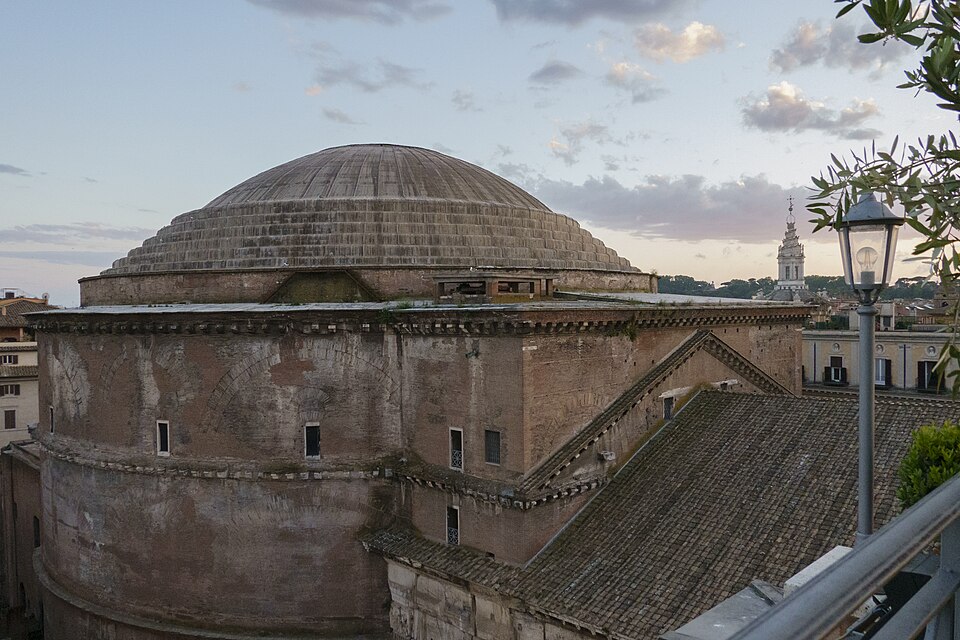
Pantheon during the itinerary in Rome
Nhartmannphotos · CC BY-SA 4.0 · Image source

Day 2 · Pantheon and Trevi Fountain

Pantheon and Trevi Fountain set the focus for this part of Rome. Ancient Roman monument and church. That detail defines the visit to Pantheon. Baroque fountain landmark. That detail defines the visit to Trevi Fountain. Trevi Fountain shifts the setting from food and cuisine to food and cuisine. The experience progresses from food and cuisine to food and cuisine before ending on food and cuisine. The contrast between Pantheon and Trevi Fountain links food and cuisine with food and cuisine, while keeping the identity of each location clear. Together, the stops move through food and cuisine toward food and cuisine, creating clear changes in subject and setting.

Morning

Ancient Roman monument and church. That detail defines the visit to Pantheon. Pantheon keeps the emphasis on food and cuisine, providing a concrete point of interest for the visit. Trevi Fountain later introduces food and cuisine after food and cuisine. That makes Pantheon a clear first stop for visitors interested in food and cuisine.

Afternoon

Trevi Fountain keeps the emphasis on food and cuisine, providing a concrete point of interest for the visit. Following Pantheon, Trevi Fountain turns to food and cuisine. Baroque fountain landmark. That detail defines the visit to Trevi Fountain. The afternoon therefore offers a different setting from the earlier visit.

Day 3 · Vatican Museums and St. Peter's Basilica

Rome unfolds across culture and food settings. Papal art and archaeology collections. That detail defines the visit to Vatican Museums. Major basilica and architectural landmark. That detail defines the visit to St. Peter's Basilica. St. Peter's Basilica shifts the setting from the collection and its works to food and cuisine. The experience progresses from the collection and its works to food and cuisine before ending on food and cuisine. The contrast between Vatican Museums and St. Peter's Basilica links the collection and its works with food and cuisine, while keeping the identity of each location clear. Together, the stops move through the collection and its works toward food and cuisine, creating clear changes in subject and setting.

Morning

Papal art and archaeology collections. That detail defines the visit to Vatican Museums. Vatican Museums draws its character from the collection and its works. St. Peter's Basilica later introduces food and cuisine after the collection and its works. That makes Vatican Museums a clear first stop for visitors interested in the collection and its works.

Afternoon

St. Peter's Basilica keeps the emphasis on food and cuisine, providing a concrete point of interest for the visit. Following Vatican Museums, St. Peter's Basilica turns to food and cuisine. Major basilica and architectural landmark. That detail defines the visit to St. Peter's Basilica. The afternoon therefore offers a different setting from the earlier visit.

Places to Go / Things to Do

  1. Galleria Borghese

    Villa Borghese, Rome

    Why visit

    Visitor ratings are not calculated for this itinerary

    landscaped public gardens and museum district

    Area
    Pinciano, Rome
    Best time
    Check official opening hours and schedule this stop around any fixed ticket time
    Highlights
    landscaped public gardens and museum district
  2. Capitoline Museums

    Capitoline Hill, Rome

    Why visit

    Visitor ratings are not calculated for this itinerary

    historic square and Baroque fountains

    Area
    Parione, Rome
    Best time
    Check official opening hours and schedule this stop around any fixed ticket time
    Highlights
    historic square and Baroque fountains
  3. Villa Borghese Gardens

    Pinciano, Rome

    Why visit

    Visitor ratings are not calculated for this itinerary

    monumental steps and central walking route

    Area
    Campo Marzio, Rome
    Best time
    Check official opening hours and schedule this stop around any fixed ticket time
    Highlights
    monumental steps and central walking route

Places to Eat

  1. Campo de' Fiori Market

    Campo de' Fiori, Rome

    Why visit

    named neighbourhood with multiple dining options

    Area
    Trastevere, Rome
    Budget
    Check current menus and prices
    Cuisine
    Food stop included in this itinerary
    Tips
    Check current opening details before travelling.
  2. Mercato Centrale Roma

    Roma Termini, Rome

    Why visit

    named neighbourhood for a focused Roman food stop

    Area
    Testaccio, Rome
    Budget
    Check current menus and prices
    Cuisine
    Food stop included in this itinerary
    Tips
    Check current opening details before travelling.
  3. Testaccio Market

    Testaccio, Rome

    Why visit

    named central district with multiple dining options

    Area
    Monti, Rome
    Budget
    Check current menus and prices
    Cuisine
    Food stop included in this itinerary
    Tips
    Check current opening details before travelling.

Best time to visit

Rome's Mediterranean climate shapes the best times to visit, balancing weather comfort and itinerary enjoyment across the year.

Spring

March to May

Typical conditions
Mild, occasional rain
Effect on this itinerary
Ideal for all itinerary days, especially outdoor sites like Villa Borghese Gardens.
Best for
Visitors seeking comfortable weather and fewer summer crowds
Main trade-off
Some rain showers may occur, but generally pleasant for exploring.
Booking implication
Advance booking is advised for popular museums during spring holidays.

Source: Roma Capitale · Class A · verified Sep 2, 2026

Summer

June to August

Typical conditions
Hot, dry
Effect on this itinerary
Suitable for early morning or late afternoon visits to outdoor landmarks.
Best for
Travelers who enjoy lively atmosphere and extended daylight
Main trade-off
High temperatures can make midday outdoor visits tiring; crowded tourist spots are common.
Booking implication
Planning note — Summer: Check opening hours as some sites may close midday; book accommodations early due to peak season.

Source: Roma Capitale · Class A · verified Sep 2, 2026

Autumn

September to November

Typical conditions
Mild, mostly dry
Effect on this itinerary
Well suited for all itinerary days, including outdoor and indoor attractions.
Best for
Visitors wanting comfortable weather and manageable crowds
Main trade-off
Shorter daylight hours than summer but generally stable weather.
Booking implication
Advance booking recommended for Vatican Museums during autumn weekends.

Source: Roma Capitale · Class A · verified Sep 2, 2026

Winter

December to February

Typical conditions
Cool, wet
Effect on this itinerary
Good for indoor attractions like museums and basilicas; outdoor visits require warmer clothing.
Best for
Travelers preferring low crowds and indoor cultural sites
Main trade-off
Some outdoor sites may feel chilly; daylight hours are shorter.
Booking implication
Planning note — Winter: Check opening hours for holidays and seasonal closures.

Source: Roma Capitale · Class A · verified Sep 2, 2026

Sources: Roma Capitale · Parco archeologico del Colosseo · OpenTrip

Verified Sep 2, 2026. Live details can change; use the linked official page before booking.

Where to stay

Rome's compact historic core allows for multiple convenient neighborhood bases, each offering distinct atmospheres and access advantages relevant to this 3-day itinerary. Use the saved 3-day Rome order to compare these bases with the days they support. Confirm current transport and access details before choosing accommodation, and weigh each listed trade-off against the number of base changes and the pace that suits the travelling group.

Centro Storico

Best for
Those wanting to be within walking distance of the Pantheon and Trevi Fountain on Day 2.
Why it fits this itinerary
Supports Day 2 activities and nearby dining stops.
Days and areas supported
2
Access logic
Walking distance to Day 2 sites; public transport needed for Days 1 and 3.
Atmosphere
Bustling historic streets with close proximity to iconic landmarks and dining options.
Main trade-off
Staying here may mean higher accommodation prices and more tourist crowds.

Source: OpenTrip · Class A · verified Sep 2, 2026

Search stays in Centro Storico on Booking.com

Monti

Best for
Visitors focusing on the Colosseum and Roman Forum on Day 1.
Why it fits this itinerary
Ideal base for Day 1 and nearby food stops.
Days and areas supported
1
Access logic
Walking access to Day 1 sites; transit needed for Days 2 and 3.
Atmosphere
Historic neighborhood with a lively yet authentic Roman vibe and local markets.
Main trade-off
Less central for Days 2 and 3, requiring public transport or longer walks.
Family fit
Good for families wanting a neighborhood feel near ancient sites.

Source: OpenTrip · Class A · verified Sep 2, 2026

Search stays in Monti on Booking.com

Prati

Best for
Travelers prioritizing the Vatican Museums and St. Peter's Basilica on Day 3.
Why it fits this itinerary
Supports Day 3 itinerary focus.
Days and areas supported
3
Access logic
Walking to Vatican sites; transit or taxi for Days 1 and 2.
Atmosphere
Elegant residential area with quieter streets and proximity to Vatican City.
Main trade-off
Further from Days 1 and 2 sites, requiring transit connections.

Source: OpenTrip · Class A · verified Sep 2, 2026

Search stays in Prati on Booking.com

How to choose: Select your base according to which day's attractions you prioritize for walking access. Centro Storico suits Day 2's central landmarks, Monti offers proximity to ancient Rome on Day 1, and Prati is ideal for Vatican-focused Day 3. Consider your preference for neighborhood atmosphere and transit convenience for other days.

Sources: OpenTrip · Roma Capitale · Parco archeologico del Colosseo

Verified Sep 2, 2026. Live details can change; use the linked official page before booking.

Booking checklist

Booking actions tailored to this 3-day Rome itinerary help ensure smooth access and optimal timing for key sites and accommodations.

Book once dates are fixed

Reserve accommodation in your chosen neighborhood base

required
Traveller action
Book your hotel or rental in Centro Storico, Monti, or Prati according to your itinerary focus.
Why it matters
Securing lodging early ensures proximity to your preferred itinerary areas and comfort throughout your stay.
Applies to
1, 2, 3, Colosseum, Roman Forum, Pantheon, Trevi Fountain, Vatican Museums, St. Peter's Basilica
Review recommended accommodation areas

Source: Roma Capitale · Class A · verified Sep 2, 2026

Check before travel

Check opening hours for Vatican Museums and St. Peter's Basilica

advance recommended
Traveller action
Verify official opening hours and any timed ticket requirements before your visit.
Why it matters
These sites have fixed opening times and may require timed entry planning to fit the Day 3 schedule.
Applies to
3, Vatican Museums, St. Peter's Basilica

Source: Roma Capitale · Class A · verified Sep 2, 2026

Confirm Colosseum and Roman Forum access details

advance recommended
Traveller action
Review official site information for any booking or access updates before arrival.
Why it matters
Day 1's key sites may have specific entry rules or timed tickets to consider.
Applies to
1, Colosseum, Roman Forum

Source: Roma Capitale · Class A · verified Sep 2, 2026

Check near departure

Verify Pantheon and Trevi Fountain visiting conditions

check current rules
Traveller action
Consult official sources shortly before travel to confirm site availability.
Why it matters
Though generally open, check for any temporary closures or access changes affecting Day 2.
Applies to
2, Pantheon, Trevi Fountain

Source: Roma Capitale · Class A · verified Sep 2, 2026

Monitor weather forecasts during your stay

check current rules
Traveller action
Check local weather forecasts close to your travel dates to plan clothing and daily activities.
Why it matters
Rome's weather can affect comfort and timing for outdoor itinerary elements.
Applies to
1, 2, 3, Villa Borghese Gardens, Campo de' Fiori Market, Mercato Centrale Roma, Testaccio Market

Source: Roma Capitale · Class A · verified Sep 2, 2026

Route guidance

  • Follow the planned day-by-day itinerary sequence: Adhere to the recommended order of visits for each day to maximize experience.

Sources: Roma Capitale · Parco archeologico del Colosseo · OpenTrip

Verified Sep 2, 2026. Live details can change; use the linked official page before booking.

Common mistakes

  1. Changing Day 1 around Colosseum before checking the day plan

    Colosseum anchors part of Day 1; moving it can separate stops that were saved together.

    How to avoid it: Read the full sequence for Day 1, then retain Colosseum unless the surrounding included places are reviewed too.

  2. Treating Roman Forum as interchangeable with every stop on Day 1

    The trip plan positions Roman Forum beside a particular group of named places, so a direct swap may alter the intended flow.

    How to avoid it: Compare Roman Forum with its adjacent entries and adjust only the part of Day 1 that needs attention.

  3. Adding another destination before resolving the saved Pantheon slot

    Extra stops can crowd the planned Day 2 order and obscure which source recommendation should take priority.

    How to avoid it: Keep Pantheon as the planning anchor and remove an optional item before introducing anything beyond the itinerary.

  4. Finalising Day 2 without rechecking access for Trevi Fountain

    Current access can affect how Trevi Fountain fits the surrounding itinerary even though the day order remains authoritative.

    How to avoid it: Review official visitor information for Trevi Fountain and revise the nearby sequence only if confirmed details require it.

  5. Using the Vatican Museums recommendation without considering Day 3 pace

    The saved plan connects Vatican Museums to other named stops, and rushing that group may weaken the practical balance.

    How to avoid it: Choose which Day 3 entries matter most, preserving their recorded order while trimming lower-priority options if needed.

Alternatives

  1. If a planned stop cannot fit the route on Day 1

    Use Galleria Borghese as the substitute already already included.

    Why it works: This choice stays grounded in a place already included while leaving the other Day 1 stops available for review.

  2. When the saved Day 2 pace feels too dense

    Prioritise Capitoline Museums, then defer another optional recommendation instead of adding a new stop.

    Why it works: Capitoline Museums belongs to the Rome trip plan, making this a bounded pacing adjustment.

  3. Should conditions make the original Day 3 order impractical

    Move Villa Borghese Gardens into the open slot and review adjacent stored stops before changing anything else.

    Why it works: Selecting an existing recommendation limits the revision to practical material and preserves the rest of the itinerary for review.

  4. For travellers seeking a different focus on Day 1

    Choose Galleria Borghese from the saved options, keeping unrelated days as they are.

    Why it works: The substitution shifts emphasis without inventing a destination or replacing the complete Rome plan.

Frequently asked questions

What does this 3-day Rome plan cover?

Your itinerary covers Day 1 (Colosseum and Roman Forum), Day 2 (Pantheon and Trevi Fountain), Day 3 (Vatican Museums and St. Peter's Basilica). The day and place order stays visible so you can understand the route before making booking decisions.

Which places are included in the Rome itinerary?

Colosseum, Roman Forum, Pantheon, Trevi Fountain, Vatican Museums, St. Peter's Basilica are among the stops shown in the complete day-by-day plan. Review the full daily order to see every included place and how the days fit together.

Who is the Rome itinerary designed for?

This trip is designed for general, with an emphasis on classic city highlights. Use the detailed days to judge whether the pace and mix of experiences suit you.

Can I change the order of the Rome days?

Yes, although the current order reflects the places already arranged in your itinerary. Review transport, access and your travel dates before moving a stop or combining days.

What should I confirm before booking this Rome trip?

Confirm current official access, ticket, transport and accommodation details for the places you intend to visit. The booking checklist highlights itinerary-linked decisions without assuming prices, schedules or availability.

Sources and methodology

Source links support practical planning claims. Official pages govern live hours, prices, entry rules, transport, closures, and availability; OpenTrip route data supports only route-order and proximity inferences.

  • Rome in a nutshell

    Roma Capitale · Source A · verified Sep 2, 2026

    Supports: official visitor information, transport and access planning.

  • Opening times and tickets

    Parco archeologico del Colosseo · Source A · verified Sep 2, 2026

    Supports: official tickets, opening-time checks, visitor access.

  • Rome itinerary route and stop order

    OpenTrip · Source B · verified Sep 2, 2026

    Supports: day order, named stops, route-relative accommodation convenience.

Method: Official destination or operator guidance is used for date-sensitive planning. OpenTrip route order is used only for itinerary-fit and base-convenience inferences. The official links remain the authority for live prices, hours, closures, entry rules, and availability.

Assumptions: The visible itinerary order and named stops remain unchanged.

Limitations: Opening hours, prices, weather, transport, and availability can change after the verification date.

Make this trip fit your dates and travel style

Use OpenTrip to create your own itinerary while keeping this source-backed plan as practical inspiration.